Notice Changes
Pay attention to new sounds, movement, resistance, damage, reduced battery performance or changes in fit before they become larger problems.
A considered guide to cleaning, inspecting, storing and using everyday cycling and urban mobility equipment. Build habits that help preserve performance, improve reliability and keep each item ready for the next ride.
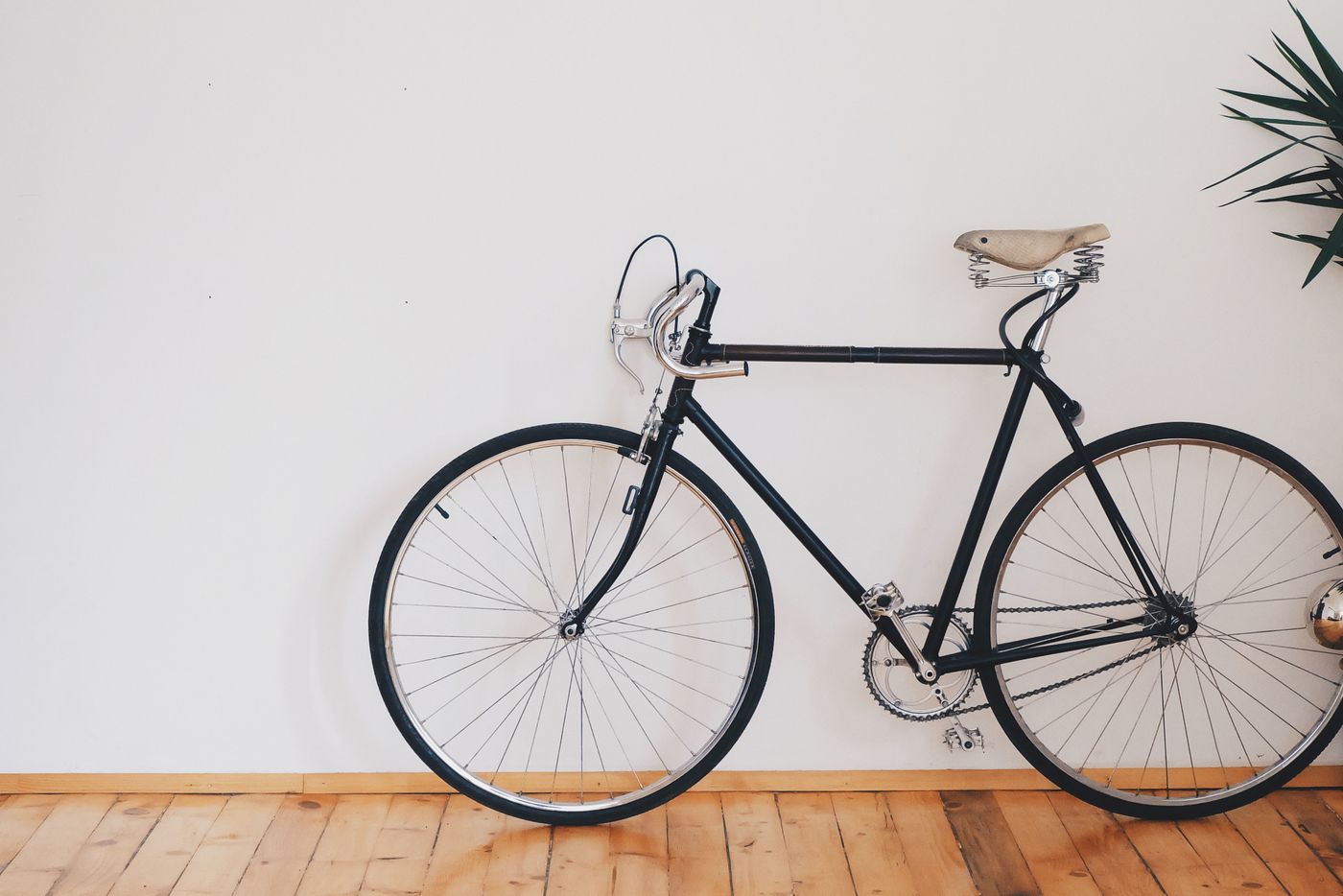
Good equipment care is not about making every item look untouched. It is about noticing changes early, protecting essential functions and creating a routine that fits naturally around the way you ride.
Bicycles, electric bikes, electric scooters and their accessories experience vibration, weather, road debris, repeated handling and changing storage conditions. Even equipment used only for short journeys can gradually loosen, collect residue, lose charge or develop wear in high-contact areas.
A practical care system separates simple owner checks from technical work. Riders can keep equipment clean, dry, organized and visually inspected, while qualified service professionals should handle repairs or adjustments that require specialized tools, technical knowledge or safety-critical disassembly.
Pay attention to new sounds, movement, resistance, damage, reduced battery performance or changes in fit before they become larger problems.
Limit unnecessary moisture, direct heat, harsh chemicals and prolonged sunlight that may weaken finishes, fabrics, plastics or electronics.
Clean residue, tighten approved user-adjustable components and replace visibly damaged accessories before returning them to regular use.
A repeatable sequence makes care easier to remember. Adapt the frequency to your riding conditions, product instructions and the amount of use each item receives.
Look for loose mounts, damaged straps, cracked surfaces, low tire pressure, worn contact areas or anything that has changed since the previous ride.
Before each rideFollow manufacturer instructions, respect stated limits and avoid using equipment in ways that interfere with steering, braking or visibility.
During every rideRemove surface dirt with suitable soft materials. Keep excess water away from electrical connections, bearings and sealed control components.
After dirty ridesAllow fabric, straps, padding and exterior surfaces to dry completely before closing bags, covering equipment or placing items into storage.
Before storageReassess battery condition, wear points, fasteners, charging accessories and protective equipment according to the product's maintenance guidance.
On a regular scheduleEach RideAura category has different care priorities. Always combine these general habits with the instructions supplied for the specific product.
Keep the frame clean, tires properly inflated and moving components free from excessive debris. Changes in braking, steering or drivetrain behavior should be reviewed before continued use.
Protect electrical connections from excessive moisture, use the approved charger and inspect the battery housing for visible damage, looseness or unusual heat.
Inspect the folding area, deck, tires, controls and charging components. Confirm that the stem feels secure and that no cables or housings appear pinched or damaged.
Clean helmet surfaces with mild methods approved by the manufacturer. Protect the shell and internal materials from solvents, high heat and unnecessary impact.
Wipe lenses and reflective surfaces so dirt does not reduce visibility. Confirm that mounts remain stable and recharge lights before the battery becomes unreliable.
Keep tools dry, organized and free from corrosion. Replace depleted repair supplies and confirm that pumps, adapters and tools remain compatible with the equipment you currently ride.
Empty bags after use, remove debris and allow damp interiors to dry. Inspect mounting hooks, buckles, straps and seams before carrying another load.
Keep locks and alarm housings clean, protect keyways and charging ports from contamination, and inspect cables, links and mounting brackets for damage.
Review clamps, joints, straps and charging cables for movement or wear. Confirm that the phone remains secure without obstructing controls or visibility.
Use the least aggressive method that achieves the result. Avoid creating additional wear through excessive pressure, heat, water or chemicals.
Begin with a soft dry cloth or suitable brush to remove dust, grit and loose particles before applying moisture.
Apply a lightly damp cloth where appropriate rather than directing water into electrical ports, bearings, seams or adjustment mechanisms.
Use only cleaners approved for the relevant material. Harsh solvents may damage finishes, plastics, adhesives, padding and reflective treatments.
Open pockets, remove detachable padding where permitted and allow hidden areas to dry before reassembly or storage.
Cleaning can reveal wear that was hidden by dirt. Review stitching, cracks, corrosion, looseness and damaged mounting areas.
Product life is influenced by the way equipment is installed, loaded, handled and used. Thoughtful use reduces unnecessary stress and makes future inspection more straightforward.
Confirm that mounts, bags, chargers, locks and repair tools are suitable for the specific bicycle, scooter, device or accessory.
Distribute weight carefully and secure loose items so they cannot shift, contact wheels or interfere with steering and braking.
Do not force clamps, folding mechanisms, closures or electrical connectors when alignment or resistance does not feel correct.
Stop and inspect equipment when a mount shifts, a strap loosens or a new sound suggests that a component is no longer secure.
Inspection frequency should increase after heavy use, rough surfaces, wet conditions, impacts, transport or extended storage.
Storage should reduce moisture, pressure, heat and accidental damage while keeping essential equipment organized for the next journey.
Park securely, remove valuables, protect electronics from weather and avoid leaving batteries or devices in excessive heat.
Secure, visible and weather-awareDry damp surfaces, recharge approved devices where appropriate and open bags or helmet padding so trapped moisture can escape.
Dry before closing or coveringClean equipment thoroughly, reduce unnecessary pressure on straps and tires, and follow battery-specific storage instructions.
Review before returning to useChoose a stable, dry location away from direct heat and sunlight. Keep tools, chargers and access items labeled and easy to identify.
Store clean, dry and organizedSome cleaning and storage habits can create more damage than the dirt or moisture they are intended to remove.
Concentrated water may push moisture into bearings, seals, electrical connections and areas that are difficult to dry.
Strong solvents may affect finishes, adhesives, plastics, helmet materials, reflective treatments and water-resistant coatings.
Heaters, dryers and hot enclosed spaces may deform materials, weaken adhesives or negatively affect batteries and electronics.
Trapped moisture can encourage odor, corrosion and material breakdown, especially inside bags, padding and tool kits.
Do not continue using an item when cracks, impact damage, loose structures, exposed wiring or unreliable operation are visible.
These answers provide general care direction. Product-specific instructions should always take priority.
Contact RideAura for store support, order questions and general product guidance. Include the product name and a clear description of the issue so the request can be reviewed efficiently.